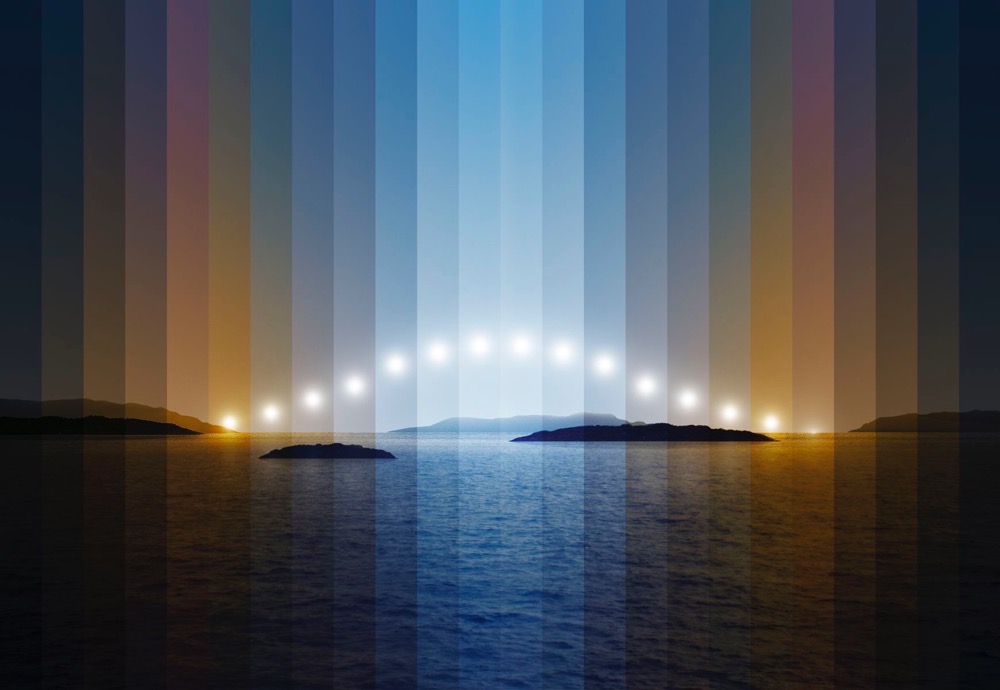
Discover how circadian lighting design enhances well-being by harnessing artificial skylights and other lighting methods / technologies to simulate natural daylight, boosting health, productivity and mood indoors.
- Artificial Skylights
- Circadian Lighting Design
- Lighting Design for Well Being
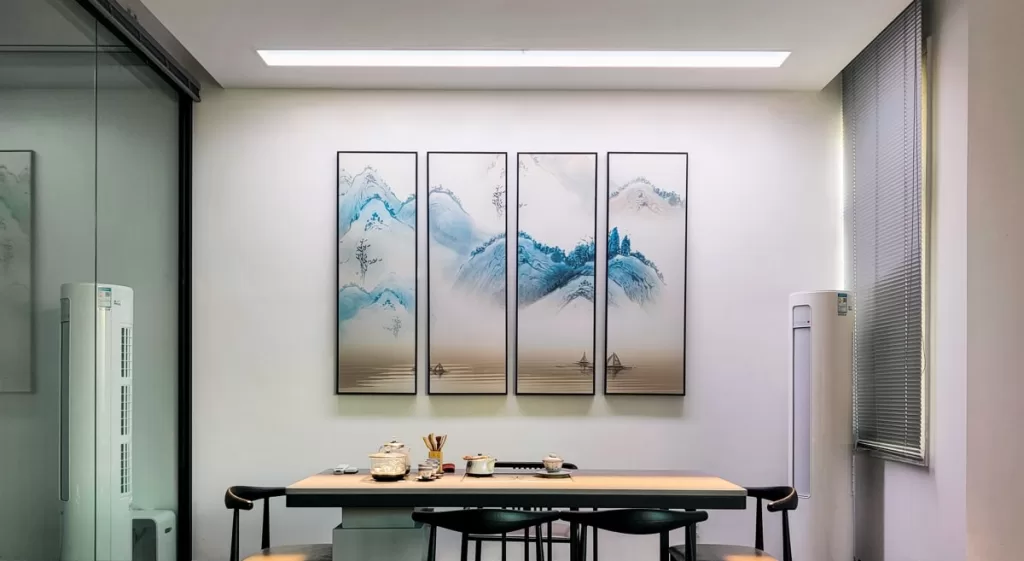
Human beings are inextricably linked to the patterns of light and dark. For millennia, natural sunlight has regulated our sleep cycles, productivity, mood, and overall health through the intricate mechanism known as the circadian rhythm. In today’s urban lifestyle—where many people spend a majority of their time indoors—the absence of natural daylight can significantly disrupt these rhythms. Enter circadian lighting design and artificial skylights: innovative solutions that mimic the benefits of outdoor daylight indoors. These technological marvels are revolutionizing architectural design and interior décor, ensuring that even when we are deep inside buildings, our bodies continue to receive the cues they need to thrive.
The Essence of Circadian Rhythms
At the core of our well-being lies the circadian rhythm—an internal timekeeper that governs sleep, hormone release, metabolism, and other essential physiological functions. The suprachiasmatic nucleus (SCN) in the brain responds primarily to light. Light exposure, especially to the blue wavelengths present at dawn, signals the body to wake up, while diminishing light and warmer hues in the evening prepare us for rest. Disruptions in this rhythm have been associated with sleep disorders, mood imbalances, and even metabolic conditions over time. By replicating the nuanced changes in natural light indoors, circadian lighting design helps restore these rhythms and promotes better health.
In simple terms, the ideal indoor light does more than illuminate a space—it acts as a powerful biological cue. This is why traditional static lighting solutions, which rarely adjust in intensity or color temperature, fall short of meeting our physiological needs. Instead, dynamic lighting systems that simulate the natural progression of the day are necessary, especially in modern architecture where access to natural light is limited.
The Technology Behind Artificial Skylights
Artificial skylights are designed to imitate the dynamic qualities of the sun. Unlike conventional overhead lighting, these systems often integrate advanced LED technology and computer-controlled sensors to steer the light’s intensity and color temperature in sync with the time of day. Here’s how they work:
- Dynamic Color Temperature: Early in the morning, artificial skylights emit cool, blue-enriched light to mimic a clear dawn sky. As the day progresses, they transition to a warmer light spectrum that gradually shifts into the soft, ambient glow typical of late afternoon and early evening.
- Intensity Modulation: Mimicking the intensity of natural daylight requires precision. Artificial skylights are equipped with dimmers that allow them to gradually increase luminosity at sunrise and decrease it approaching sunset, ensuring that the indoor environment feels natural and soothing.
- Sensor Integration: Cutting-edge systems incorporate ambient light sensors. These sensors constantly measure the natural light entering the room and adjust the artificial skylight output accordingly. On overcast days or in densely built environments where natural sunlight is scarce, the system compensates by providing a balanced and consistent light profile that supports the human circadian cycle.
- Human-Centric Design: The ultimate goal is not merely to replicate daylight but to enhance overall well-being. Additional features may include integration with building automation systems, allowing settings to be adjusted based on individual needs or collective occupancy patterns.
These advanced functionalities come together to create an environment where our bodies can operate as if bathed in natural daylight—whether we are in a high-rise office or an underground facility.
Benefits of Circadian Lighting in Indoor Spaces
1. Enhanced Sleep Quality
Artificial skylights can play a pivotal role in ensuring that individuals receive the right cues to fall asleep and wake up naturally. In office buildings or schools where occupants might not have sufficient exposure to natural light, proper lighting design can enhance melatonin production during evening hours, promoting deeper, more restorative sleep and overall better health. This is particularly beneficial for individuals who work night shifts or experience irregular light/dark cycles.
2. Improved Productivity and Alertness
Exposure to dynamic lighting systems has been shown to boost alertness and cognitive functioning. Evidence suggests that bright, blue-enriched lighting in the morning hours increases serotonin levels, thereby enhancing mood and mental clarity. Such effects are not only beneficial in work environments but also in educational settings where concentration and energy levels are crucial for learning.
3. Reduced Eye Strain and Headaches
Static lighting conditions often contribute to eye strain and headaches. By contrast, a well-orchestrated circadian lighting system adjusts its brightness in a way that mimics natural conditions and reduces the risk of visual fatigue. With artificial skylights, occupants experience a gradual transition of lighting that reduces harsh shadows and glaring reflections, creating a more comfortable and healthful environment for prolonged activities like reading and computer work.
4. Aesthetic and Functional Advantages
Beyond physiological benefits, artificial skylights also offer significant aesthetic advantages. The illusion of a dynamic, natural ceiling canopy can transform indoor spaces, making them feel more open and connected to the outside world—even in windowless rooms such as basements or corridors. This integration of technology and design leads to spaces that are not only healthier but also visually appealing and innovative.
Implementing Artificial Skylight Systems in Building Design
Assessment and Planning
The first step in implementing circadian lighting design in any building is a comprehensive assessment of the space. Designers and engineers must consider factors such as the building’s natural light availability, the intended functions of each room, and the occupant’s daily routine. A tailored lighting plan is then developed, often requiring a combination of simulation software and iterative testing. The objective is to strike a balance between energy efficiency and the optimal light spectrum required to support the circadian system.
Integration with Architectural Elements
Artificial skylights should be viewed not as standalone fixtures but as an integrated part of the overall architectural design. For instance, in open-plan offices, these systems can be combined with other natural elements such as biophilic design—a concept that incorporates natural patterns, materials, and imagery—to create a synergistic and refreshing environment. By harmonizing with interior finishes and spatial dynamics, artificial skylights contribute to a coherent aesthetic that supports both function and well-being.
Energy Efficiency and Sustainability
Modern artificial skylight systems often incorporate eco-friendly, energy-saving technologies. LED fixtures are remarkably efficient, and when paired with sensors that adjust the output based on available natural light, the overall energy consumption can be dramatically reduced. Sustainable building certifications now frequently include criteria related to lighting quality, making the adoption of circadian lighting not only a health choice but also a commitment to green building practices.
Addressing Design Challenges
Balancing Daylight Simulation with Energy Savings
One of the most significant challenges in circadian lighting design is achieving a balance between realistic daylight simulation and energy use. While maintaining a high light output is necessary for accurate circadian cues during early morning and midday, it may lead to energy inefficiencies during twilight or overcast conditions. Designers solve this by using dimmers and integrating daylight harvesting strategies. These systems are capable of scaling back artificial light output when ample natural light is available, thereby optimizing energy consumption and reducing operational costs.
Overcoming Architectural Constraints
Many modern buildings, particularly in urban centers, are designed without the benefit of ample natural light. Artificial skylights offer a solution, but their installation often necessitates structural modifications. In these cases, designers must consider the feasibility of retrofitting older buildings with up-to-date circadian lighting systems. This involves both technical challenges and aesthetic considerations; designers must ensure that the integration does not compromise the building’s character or integrity while meeting modern energy and health standards.
Dealing with User Adaptation
Even the best-designed lighting systems can face hurdles if the end-users are resistant to change. Effective implementation includes efforts to educate occupants about the benefits of circadian lighting. Workshops, informative displays, and clear instructions about the system’s functionality can help overcome the initial discomfort associated with a dynamic and changing light environment. Over time, most users find that their sleep quality, mood, and overall comfort improve noticeably.
Future Trends in Circadian Lighting Design
Smart Lighting and IoT Integration
The future of circadian lighting is intimately connected to the rise of the Internet of Things (IoT). Imagine a building where artificial skylights not only react to the natural light available but also adjust to individual preferences through wearable technologies. With smart sensors and machine learning, these systems can tailor the light profile to micro-manage the needs of each occupant, providing personalized adjustments that enhance both comfort and productivity. In such systems, data on a person’s activity, stress levels, and even sleep patterns could inform how the lighting behaves, making each indoor space truly adaptive.
Integration with Health and Wellness Platforms
As health and wellness become integral to building designs, artificial skylights are beginning to form part of an ecosystem that includes air quality monitors, noise reduction systems, and ergonomic workspaces. In hospitals, care centers, and even high-tech offices, these lighting systems are being integrated into broader wellness strategies. Their implementation is backed by a growing body of research linking proper light exposure to better health outcomes, reinforcing the importance of circadian lighting as a pillar of modern interior design.
Design Innovations
Architectural design is also evolving to embrace the concept of “light as a resource.” Future skylight systems could incorporate adaptive surfaces, holographic displays, and adjustable diffusion panels that further refine the quality and distribution of light. These innovations allow for even more creative and immersive indoor environments, blurring the line between indoor and outdoor experiences. With advancements in material science, the next generation of artificial skylights will likely be lighter, more durable, and even more energy-efficient.
Case Studies and Real-World Applications
Office Environments
Consider a modern corporate headquarters situated in a bustling urban center. While the building’s façade may be sleek and futuristic, its interior can often feel sterile and disconnected from nature. Introducing artificial skylights transforms the space: employees benefit from a simulated sunrise that gradually increases alertness and productivity at the start of the day. During lunchtime, the lighting system adjusts to a neutral tone that fosters creativity and collaboration. As the workday winds down, the transition to warmer hues signals the body to prepare for rest, reducing stress levels and improving overall well-being.
| Time of Day | Lighting Characteristics | Physiological Impact |
|---|---|---|
| Morning | Bright, cool light with high blue content | Promotes alertness; stimulates cortisol production |
| Midday | Neutral white light with balanced spectrum | Enhances productivity; prevents visual fatigue |
| Evening | Warm, dim light with reduced blue content | Increases melatonin production; prepares for sleep |
(Table 1: Example of circadian lighting adjustments in an office setting.)
Healthcare Facilities
Hospitals have begun incorporating circadian lighting into patient rooms and common areas. Research has shown that patients in well-lit rooms that mimic natural daylight recover more quickly, exhibit lower stress levels, and experience an overall improvement in mood during their stay. Artificial skylights in these settings are often paired with automated systems that adjust to both time of day and the patient’s specific needs, thereby creating an environment conducive to healing.
Educational Institutions
Schools and universities have adopted circadian lighting to create learning spaces that encourage attentiveness and cognitive function. Classrooms designed with artificial skylights provide students with dynamic lighting that changes throughout the day, supporting concentration during critical learning hours and helping to stabilize energy levels. This holistic approach to education acknowledges that students are not just processing information but are biologically tuned to function best under conditions tailored to our evolutionary heritage.
Conclusion
Circadian lighting design using artificial skylights represents an exciting intersection of technology, design, and biology. By replicating the natural progression of daylight indoors, these systems offer profound benefits for our physical and psychological well-being. In a world where urbanization and screen time continue to deprive us of natural sunlight, the adoption of intelligent lighting solutions is rapidly becoming essential. Whether in offices, hospitals, schools, or homes, creating spaces that nurture our natural rhythms is a forward-thinking strategy that speaks to the heart of modern design. This shift has the potential to not only transform building environments but to fundamentally improve the quality of life for millions.
The convergence of architecture and technology in this arena is a testament to human ingenuity. As we look to the future, advancements in smart sensors, IoT integration, and personalized lighting will further refine our environments—ensuring that our indoor spaces do not merely shelter us but actively contribute to our health and well-being. The artificial skylight is more than just a substitute for the sun; it is a bridge between our biological needs and the demands of modern living. For urban dwellers and professionals alike, embracing circadian lighting is a step toward aligning our built environments with the natural processes that have sustained life for eons.
Moving forward, designers, engineers, and architects must continue to prioritize human-centric innovations. The ongoing collaboration between scientific research and creative design is paving the way for healthier interior spaces that honor the timeless wisdom of our circadian biology. In doing so, we are reminded that the most sophisticated technology often stems from our deep understanding of the simplest natural phenomena—light and dark.
Further Exploration
This journey into the science and design of circadian lighting only scratches the surface. If you’re curious about related topics, consider exploring:
- Biophilic Design: How integrating natural elements like greenery and water features complements circadian lighting, creating holistic environments.
- Smart Building Technologies: The role of IoT in designing interconnected spaces that dynamically adjust multiple environmental parameters.
- Mental Health and Light Exposure: Research linking environmental lighting, mood regulation, and stress reduction.
Each of these areas opens up a wealth of emerging research and innovative practices that continue to redefine what it means to live and work in harmony with nature. As technology progresses, we can expect even more exciting developments that further our ability to create spaces that nurture both body and mind. Embracing these innovations is not just about staying current—it’s about ensuring our built environments are as supportive as possible to the rhythms of life.
By rethinking how we illuminate our indoor spaces, we are redefining architecture for the 21st century. The path toward energy-efficient, aesthetically pleasing, and health-enhancing environments begins by acknowledging one simple truth: light is life. Artificial skylights are not a mere convenience; they are essential components in the quest to synchronize our indoor environments with the natural cycle of our bodies. Let this be a call to action for architects, designers, and building owners to champion designs that harmonize technology with nature—building not just structures, but sanctuaries that support our well-being every day.
This comprehensive look into circadian lighting design using artificial skylights highlights both the technology’s innovative capabilities and its transformative potential. In an era where modern architecture continuously pushes boundaries, these systems remind us to never lose sight of the natural rhythms that define our human experience. Whether you’re a design professional, a facility manager, or someone simply interested in creating a healthier living space, this emerging trend in lighting technology offers both inspiration and practical solutions for everyday life.